












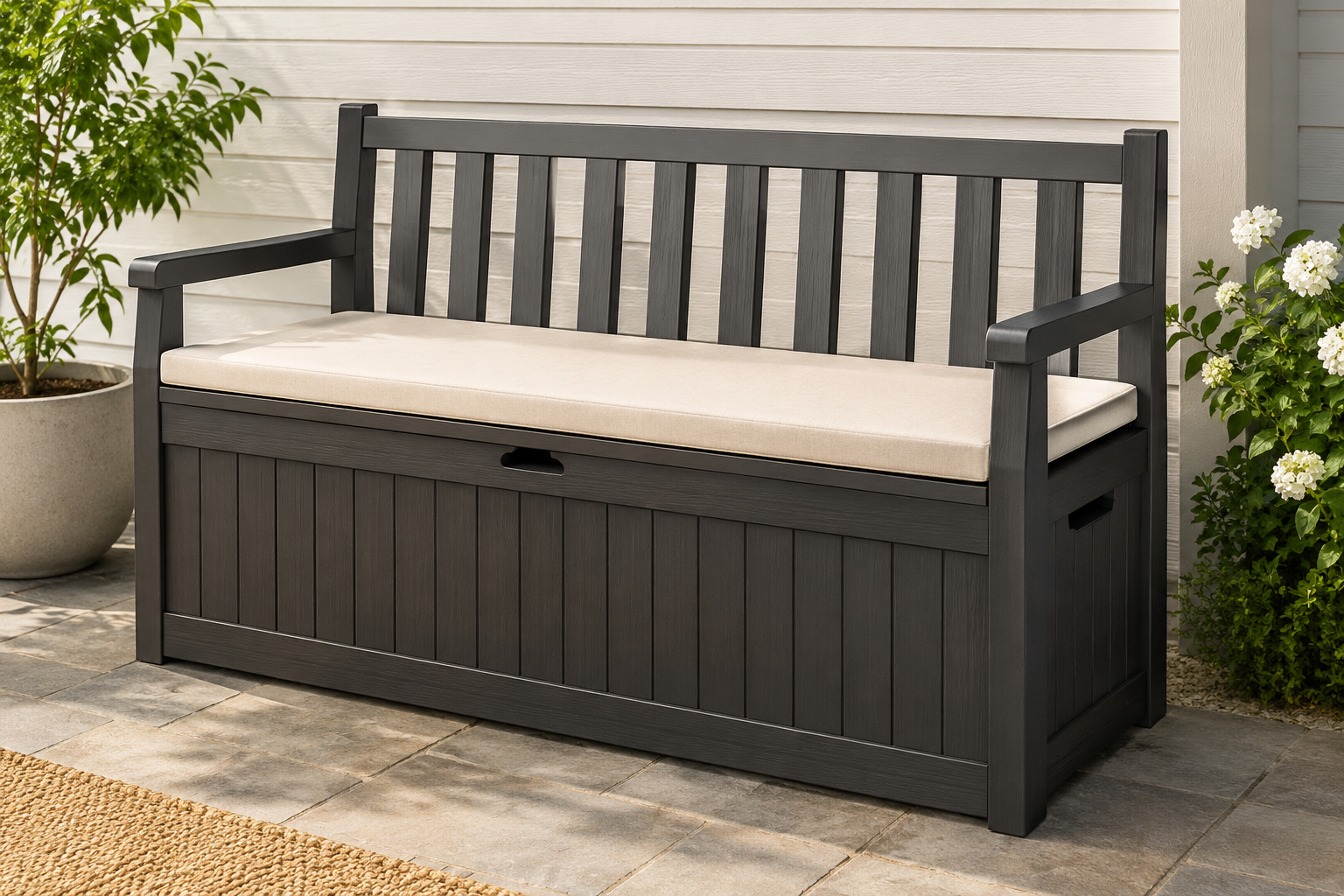
The Ultimate Outdoor Storage Bench Guide: Styles, Materials, and Buying Tips for 2026
The Ultimate Outdoor Storage Bench Guide: Styles, Materials, and Buying Tips
It is a familiar scene for many homeowners: gardening gloves scattered across the patio, pool toys cluttering the deck, and outdoor cushions hastily stuffed into a corner. The solution to this chaos is surprisingly elegant—an outdoor storage bench. This dual-purpose piece of furniture offers a comfortable place to sit while providing a hidden compartment to stash away all your seasonal gear. As outdoor living spaces become extensions of our homes, the demand for furniture that is both functional and stylish has never been higher. The right outdoor storage bench can transform a cluttered area into an organized oasis, seamlessly blending practicality with aesthetic appeal.
The global market for these versatile units is booming, valued at over $2.1 billion and projected to grow significantly as more people invest in their patios and gardens. A well-chosen outdoor storage bench does more than just hide mess; it protects your belongings from the elements and adds significant curb appeal. Whether you are looking to tidy up a small balcony or furnish a sprawling deck, understanding the nuances of materials, size, and features is key to making a smart investment.
The Dual-Purpose Advantage of an Outdoor Storage Bench
The primary appeal of an outdoor storage bench lies in its ability to perform two jobs at once. Unlike a traditional standalone deck box, it offers a comfortable seating area, making it a social hub for gatherings and a quiet spot for morning coffee. This eliminates the need to purchase separate seating and storage units, saving both money and valuable outdoor floor space. It is a clever solution that addresses the modern need for minimalist, multi-functional living.
This dual-purpose design is particularly beneficial for compact outdoor areas like balconies and small patios. An outdoor storage bench provides a designated spot for seating without sacrificing storage capacity, eliminating the need for bulky sheds or unattractive plastic bins. By keeping essentials like blankets, toys, and tools tucked away but within arm’s reach, these benches make outdoor entertaining more enjoyable and less stressful.
Choosing the Right Material for Longevity
The material of your outdoor storage bench is the most critical factor in determining its lifespan and maintenance needs. Resin and high-density polyethylene (HDPE) are popular choices for their superior weather resistance and low upkeep. These synthetic materials are waterproof, UV-resistant, and won’t rust, rot, or peel, making them ideal for harsh, unpredictable climates. They often mimic the look of natural wood or wicker without the associated maintenance, offering a practical balance of durability and style.
For those seeking a natural aesthetic, wood options like cedar, teak, and acacia offer undeniable charm. Cedar is naturally resistant to moisture and insects, but still requires regular sealing to protect the interior and exterior. Teak is exceptionally durable and weather-resistant, requiring only occasional cleaning. Metal benches, often made from powder-coated steel or aluminum, provide robust strength and a modern look. While they are sturdy and resist rust with proper coating, they can heat up in direct sunlight and may require a protective liner inside to safeguard items from temperature extremes.
Sizing and Placement Strategies
Choosing the correct size for your outdoor storage bench involves more than just measuring the available space. You must first create an inventory of the items you plan to store, such as cushions, gardening tools, or pool toys. It is generally wise to opt for a bench with 10% to 20% more capacity than your current needs to accommodate seasonal rotation. Standard capacities range from 40 to 150 gallons, with 70 to 80-gallon models being highly popular for general household use.
When planning the placement, consider both accessibility and protection. Position the bench near the areas where you will use it most, such as close to the grill or the pool, to minimize trips. To ensure stability and prolong the life of the bench, place it on a level surface with good drainage to prevent water from pooling underneath. The dimensions of the bench should also complement your existing furniture; a bench that is too large can block walkways, while one that is too small might look out of place.
Weather Resistance and Protection Features
Not all outdoor storage benches are created equal when it comes to battling the elements. While many are water-resistant, true waterproofing is a key feature to look for, especially if you live in a rainy area. A well-designed bench will feature tight-sealing lids with rubber gaskets or sloped designs that effectively shed water away from the storage compartment. It is also crucial to check for UV protection to prevent the color from fading and the material from becoming brittle under intense sun exposure.
Ventilation is another often-overlooked feature that prevents the growth of mold and mildew inside the bench. Look for models with discreet vents or slatted panels that allow air to circulate. This is essential for storing fabrics like cushions and blankets. Additionally, many high-quality outdoor storage benches come with lockable lids. While the locks may not be fortress-grade, they provide a deterrent against theft and keep children safely out of the storage area, adding a layer of security and peace of mind.
Organization Tips for Your Storage Bench
Simply tossing items into an outdoor storage bench can quickly lead to a chaotic “junk drawer” effect. To maximize the utility of your bench, start by emptying and cleaning the interior regularly. Group similar items together—for instance, keep all gardening gloves with hand tools and all pool toys in one area. Using storage bins, baskets, or canvas cubes inside the bench is a game-changer for keeping smaller items organized and easy to find.
When loading the bench, place large, bulky items at the bottom first, such as folded furniture or large planters. Then, arrange smaller bins and frequently used items around them or on top. For items used daily, keep them near the front of the compartment. This thoughtful approach ensures you can always find what you need without digging through a pile of clutter, making your outdoor storage bench a true organizational asset.
Current Trends in Outdoor Storage
The outdoor storage bench market is evolving beyond basic utility to meet modern design sensibilities. The most significant trend is the integration of storage and seating as a cohesive design statement, moving away from the appearance of a simple deck box. Manufacturers are focusing on creating pieces that look like high-end furniture, utilizing wood-grain textures and sleek finishes that complement contemporary outdoor decor. The days of choosing between style and function are over; today’s benches offer both.
Sustainability is another powerful driver. A growing number of consumers—around 31%—are prioritizing environmental credentials, leading brands to develop products using recycled plastics and FSC-certified wood. This shift reflects a broader cultural move toward eco-conscious living. As a result, the market is seeing a rise in premium pricing for these innovative, hybrid designs, with consumers willing to pay 15-25% more for a bench that is both stylish and sustainable.
Maintenance and Care for Long-Term Use
Maintaining your outdoor storage bench is surprisingly straightforward and ensures it remains a focal point of your outdoor space for years. For most resin and plastic benches, a simple bi-annual cleaning is sufficient. Mix a quarter cup of mild dish soap with warm water, scrub with a soft brush, and rinse gently with a hose. For stubborn dirt or mildew, a spray of vinegar left for an hour before scrubbing can work wonders. Always rinse thoroughly afterward to prevent residue buildup.
Wooden benches require a bit more attention. They should be cleaned with a mild soap solution and wiped dry immediately. Applying an outdoor-grade sealant or oil annually is essential to protect the wood from moisture and UV damage. For metal benches, simply wipe them down with a damp cloth and inspect the powder coating periodically for scratches that could lead to rust. If you live in an area with harsh winters, consider storing the bench indoors or covering it with a waterproof tarp to extend its life significantly.
Making the Final Decision
Investing in an outdoor storage bench is a decision that pays dividends in both organization and aesthetics. It is a piece of furniture that solves a problem while enhancing the enjoyment of your outdoor living space. The key is to balance your specific needs—be it storage capacity, material durability, or style—with the practical realities of your climate and space constraints.
As you shop, remember that quality matters. A slightly higher upfront cost for a bench made from premium materials like HDPE or durable teak will save you money and frustration in the long run. As one industry expert notes, “A well-designed storage bench allows you to add extra outdoor seating without clutter… while keeping frequently used items close at hand”. By choosing the right outdoor storage bench, you are not just buying a piece of furniture; you are investing in a more organized, inviting, and functional outdoor lifestyle.
The Ultimate Storage Bench with Cushion Guide: Style, Function & Smart Buying
Comparison Table of Popular Outdoor Storage Bench Materials
| Material | Durability | Maintenance | Weather Resistance | Best For | Price Range |
|---|---|---|---|---|---|
| Resin / HDPE | Excellent; won’t rust, rot, or peel | Very Low; clean with soap and water | High; waterproof and UV-resistant | Cushions, pool toys, general storage | $100 – $250 |
| Solid Wood (Cedar/Teak) | Good to Excellent; naturally resistant to decay | High; requires annual sealing and oiling | Moderate to High; needs sealant for full protection | Aesthetic-focused patios, gardens | $200 – $500+ |
| Metal (Aluminum/Steel) | Very Good; sturdy, but coating can scratch | Low to Moderate; wipe clean, check for rust | Good; powder-coated finishes resist rust | Modern settings, high-traffic areas | $150 – $400 |
| Wicker / Rattan | Good; synthetic wicker is durable | Low; wipe with a damp cloth | Good to High; often UV and water-resistant | Stylish, classic outdoor decor | $180 – $350+ |
Frequently Asked Questions
What is the best material for an outdoor storage bench?
The best material depends on your priorities. For ultimate durability and zero maintenance, resin or high-density polyethylene (HDPE) is the top choice as they are fully waterproof and UV-resistant. If you prefer a natural look and are willing to perform annual maintenance, cedar or teak wood offers timeless beauty.
How do I measure for an outdoor storage bench?
Measure the length, width, and depth of the space where you plan to place the bench. To ensure it fits, check the bench’s external dimensions against your space. Also, consider the internal dimensions to confirm it has enough capacity for your storage needs.
Can an outdoor storage bench be left outside in winter?
Yes, most modern outdoor storage benches are designed to withstand various weather conditions. However, for maximum longevity, especially with wood or metal, it is recommended to either store it indoors or cover it with a waterproof cover during harsh winter months.
Are outdoor storage benches waterproof?
Not all are fully waterproof, but many are water-resistant. For true waterproof protection, look for benches made of resin with tight-sealing lids and rubber gaskets that prevent water ingress. This ensures your stored items stay dry even during heavy rain.
How do I clean my outdoor storage bench?
For most resin and plastic benches, mix a mild dish soap with warm water, scrub with a soft brush, and rinse. For wood, use a mild soap solution and wipe dry immediately. Always follow the manufacturer’s specific care instructions for the best results.
Conclusion
The journey to a clutter-free and visually appealing outdoor space often begins with a single, smart purchase: the outdoor storage bench. By seamlessly merging comfortable seating with practical storage, this versatile piece of furniture addresses the common challenges of limited space and seasonal disorganization. Whether you are a gardening enthusiast needing a place for tools, a parent looking to tame the toy chaos, or a host wanting to keep entertaining essentials within reach, the right bench can revolutionize how you use your patio, deck, or garden. It is an investment that pays off daily in convenience and aesthetic harmony.
Selecting the ideal outdoor storage bench requires thoughtful consideration of materials, size, and protective features tailored to your specific climate and lifestyle. While resin and HDPE offer unbeatable, low-maintenance durability, natural woods like teak provide timeless elegance for those willing to invest in upkeep. Ultimately, the best choice is one that aligns with your storage needs, design preferences, and commitment to maintenance. By making an informed decision, you are not merely buying a piece of furniture; you are enhancing the functionality and enjoyment of your outdoor living space for years to come. A well-chosen outdoor storage bench is more than a place to sit or store—it is the cornerstone of an organized, inviting, and enduring outdoor sanctuary.