






All Modern Living: The Complete Guide to Contemporary Design, Furniture & Lifestyle
All Modern Living: Redefining Contemporary Design for Today’s Home
The phrase “all modern” has become something of a cultural shorthand. It evokes images of sleek furniture, open floor plans, and a lifestyle that values simplicity and purpose. But what does it truly mean to embrace an all modern approach in your home and daily life? This guide unpacks the philosophy, the practical choices, and the enduring appeal of contemporary design. We will explore how the principles of all modern living extend beyond mere aesthetics to influence functionality, sustainability, and personal well-being. Whether you are renovating a single room or building a new house from the ground up, understanding these core ideas will help you create a space that feels both current and uniquely yours.
The Evolution of Modern Design
The journey toward what we now call all modern design began over a century ago as a radical break from the ornate styles of the Victorian era. Early pioneers like Le Corbusier, Mies van der Rohe, and Frank Lloyd Wright championed the idea that form should follow function. They rejected unnecessary decoration in favor of clean lines, geometric forms, and an honest expression of materials. This movement laid the groundwork for the mid-century modern explosion, which brought these principles into the mainstream American home. Over the decades, the concept has evolved, absorbing influences from minimalism, Scandinavian practicality, and even Japanese aesthetics, to become the versatile and inclusive all modern style we recognize today.
Core Principles of an All Modern Aesthetic
At its heart, an all modern space is defined by a few key principles that guide every design decision. The first is simplicity: every element should have a purpose, and clutter is the enemy of calm. The second is a focus on natural light and open space, which creates a feeling of airiness and connection to the outdoors. Finally, there is a deliberate use of material and texture, where the beauty of wood, metal, glass, and stone is allowed to speak for itself. These principles are not rigid rules but rather a flexible framework that allows for personal expression while maintaining a cohesive and serene environment.
Furniture Selection for the Modern Home
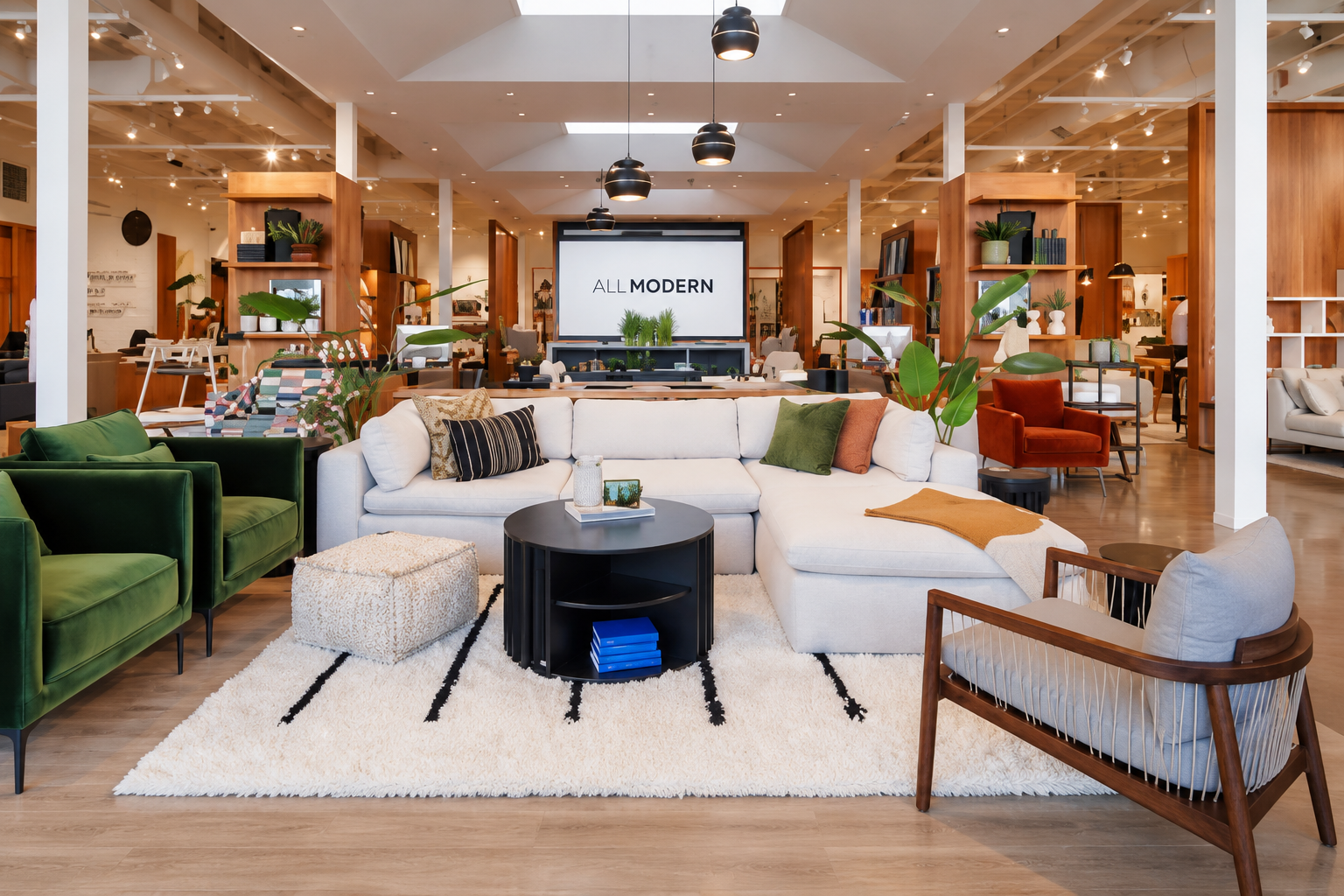
Choosing the right furniture is perhaps the most tangible step in creating an all modern interior. Look for pieces with strong, simple silhouettes and minimal ornamentation. A classic mid-century sofa with tapered legs or a sleek, handleless kitchen cabinet are quintessential examples. The focus should be on quality craftsmanship and durable materials that will stand the test of time, both in terms of style and wear. When selecting items, consider their functionality; a coffee table with built-in storage or a modular shelving system adds value beyond mere aesthetics. This approach ensures that your furniture is not just beautiful but also serves the practical needs of your daily life, embodying the functionalist spirit of all modern design.
The Role of Color and Texture
While an all modern palette often begins with a foundation of neutrals—whites, grays, and blacks—it is the strategic use of color and texture that brings a space to life. Bold accent colors, such as mustard yellow, teal, or burnt orange, can be introduced through artwork, textiles, or a single statement piece of furniture. Texture is equally important for adding depth and warmth. A chunky knit throw, a shaggy rug, or smooth leather upholstery can soften the hard lines of modern architecture, making the space feel inviting and lived-in. The interplay between smooth and rough, matte and glossy, is what prevents a minimalist room from feeling cold or sterile.
Lighting as an Architectural Element
In all modern design, lighting is treated as a crucial architectural element, not just an afterthought. The goal is to layer different types of lighting—ambient, task, and accent—to create a dynamic and functional environment. Large windows and glass doors are ideal for maximizing natural light during the day. For the evenings, consider statement pendant lights, track lighting, or adjustable floor lamps that can be directed where needed. The fixtures themselves can be works of art, with designs that are as sculptural as they are practical. Effective lighting not only illuminates your space but also highlights the textures and forms you have carefully curated.
Open Floor Plans and Spatial Flow
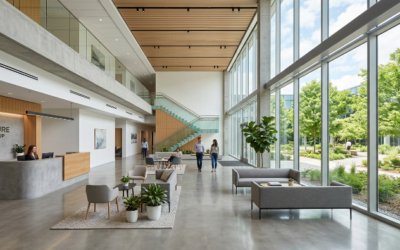
The open floor plan is a hallmark of the all modern home, designed to facilitate a seamless flow between living, dining, and kitchen areas. This layout encourages social interaction and makes the most of available square footage, creating a sense of spaciousness. However, an open plan requires thoughtful zoning to define different functional areas without using walls. This can be achieved with strategic furniture placement, area rugs, or changes in flooring. The goal is to create distinct zones that feel connected and harmonious, allowing for both togetherness and individual retreat within a single, unified space.
Integrating Technology Seamlessly
Modern living is increasingly digital, and an all modern home integrates technology in a way that is both functional and unobtrusive. Smart home features like automated lighting, thermostats, and security systems can be controlled from a single device, enhancing convenience and energy efficiency. The key is to hide the hardware and keep the user interface clean. For example, motorized blinds can be recessed into the ceiling, and speakers can be built into the walls. This seamless integration ensures that technology enhances your lifestyle without disrupting the visual tranquility of your carefully designed space.
Common Misconceptions About Modern Style
A common misconception is that all modern design is cold, impersonal, and expensive. In reality, it is a highly adaptable and accessible approach that prioritizes comfort and personal expression. The emphasis on clean lines is not about starkness but about creating a calm backdrop for life to happen. Similarly, while high-end designer pieces are an option, the style can be achieved with affordable finds from vintage stores, flea markets, and mainstream retailers. The true essence of the style is not about the price tag but about the thoughtful curation of items that are meaningful and functional.
Sustainability in Modern Design
Sustainability is becoming an integral part of the all modern ethos, reflecting a growing awareness of our environmental impact. This involves choosing furniture made from renewable or recycled materials, supporting local craftspeople, and investing in heirloom-quality pieces that will last for decades. It also means designing homes that are energy-efficient, with good insulation and passive solar heating. By prioritizing durability and timeless design over fast fashion and disposable trends, you are not only creating a more sustainable home but also a more meaningful one. This long-term perspective is a natural extension of the modernist principle of honest, functional design.
A Comparative Look at Modern Design Styles
To better understand where all modern design fits, it is helpful to compare it with other popular contemporary styles. The table below outlines the key characteristics of each, helping you identify which elements resonate most with your personal taste.
| Design Style | Key Characteristics | Color Palette | Materials | Overall Vibe |
|---|---|---|---|---|
| All Modern | Clean lines, functional, minimal ornamentation, open spaces | Neutral base with bold accents | Wood, metal, glass, leather, concrete | Timeless, serene, purposeful |
| Scandinavian | Hygge, light woods, cozy textiles, functional simplicity | Whites, light grays, pastels, muted tones | Light wood (beech, pine), wool, linen | Warm, inviting, airy |
| Minimalist | Extreme simplicity, “less is more,” monochromatic, strict geometry | Black, white, and grayscale | Concrete, steel, glass, stone | Austere, tranquil, highly structured |
| Industrial | Raw, unfinished look, exposed brick and pipes, utilitarian | Grays, browns, black, rust | Metal, reclaimed wood, brick, concrete | Urban, edgy, rugged |
| Mid-Century Modern | Retro-futuristic, organic curves, tapered legs, geometric patterns | Earthy tones, teal, mustard, orange | Teak, walnut, molded plastic, fiberglass | Nostalgic, playful, iconic |
Bringing the Look to Life: A Practical Example
Consider a typical living room makeover. The homeowner starts with a neutral, light gray wall color and a large, modern sectional in a durable, dark blue fabric. They add a natural, jute area rug to define the seating area and introduce texture. A simple, black metal coffee table provides a central focal point. For lighting, they install a sleek, adjustable floor lamp next to the sofa and a statement pendant light above. Finally, they add personality with a large abstract painting in warm tones and a few carefully chosen books and decorative objects on a floating shelf. The result is a space that feels cohesive, stylish, and perfectly tailored to their lifestyle—a true embodiment of all modern living.
The Ultimate Outdoor Storage Bench Guide: Styles, Materials, and Buying Tips for 2026
The Future of Modern Living
As we look ahead, the concept of all modern design is poised to become even more dynamic and personalized. We are seeing a shift towards “modern organic,” which blends clean lines with natural, irregular shapes and textures. There is also a growing emphasis on biophilic design, which seeks to connect occupants more closely with nature through indoor plants, natural light, and organic materials. Furthermore, the line between indoor and outdoor living is blurring, with designers creating seamless transitions to patios, gardens, and courtyards. This evolution ensures that the principles of modern design remain relevant, adaptable, and deeply connected to our changing needs and values.
Frequently Asked Questions
What does “all modern” mean in interior design?
In interior design, “all modern” refers to a style that embraces clean lines, minimal ornamentation, and a strong focus on functionality. It is a broad category that incorporates elements from mid-century modern, minimalism, and contemporary design to create spaces that are both timeless and purposeful.
Is all modern design the same as minimalism?
While they share similarities, all modern design is not the same as minimalism. Minimalism is an extreme form of simplicity with a strict “less is more” philosophy, while all modern design is more flexible, allowing for personal expression, color, and texture within a framework of clean lines and functional form.
How can I make my home look all modern on a budget?
You can achieve an all modern look on a budget by focusing on key pieces like a simple sofa or a sleek coffee table from vintage or mainstream stores. Decluttering, painting walls a neutral color, and adding a few statement accessories like a modern lamp or abstract art can also transform a space without a major investment.
What are the best colors for an all modern home?
The best colors for an all modern home typically start with a neutral base of whites, grays, or beiges. From there, you can introduce bold accent colors like navy blue, mustard yellow, or emerald green through furniture, pillows, or artwork to add personality and warmth to the space.
Can all modern design work in a small space?
Yes, all modern design is excellent for small spaces. Its emphasis on clean lines, open layouts, and multifunctional furniture helps to maximize space and create a feeling of airiness. Using mirrors, light colors, and smart storage solutions can make a small room feel much larger and more inviting.
Where can I find authentic all modern furniture?
You can find authentic all modern furniture from a variety of sources, including specialized retailers like AllModern, vintage and mid-century modern dealers, and even large online marketplaces. When shopping, look for pieces with simple, iconic designs and high-quality materials that will stand the test of time.
Conclusion
Embracing an all modern approach to your home is about more than just following a trend; it is about adopting a philosophy of simplicity, functionality, and intentionality. It encourages you to surround yourself with things that are beautiful, useful, and meaningful, creating a sanctuary from the chaos of the outside world. From the furniture you choose to the way you use light and space, every decision is an opportunity to express your personal style while adhering to timeless principles. As you embark on your own design journey, remember that the goal is not perfection but a space that feels authentic, comfortable, and uniquely yours, embodying the best of what modern living has to offer.