












Pete Musser: The Untold Story of Safeguard Scientifics’ Founder
Pete Musser: The Venture Capital Pioneer Who Built Philadelphia’s Tech Ecosystem
Few names carry as much weight in the history of American venture capital as Pete Musser. As the founder of Safeguard Scientifics, Pete Musser spent nearly six decades identifying promising entrepreneurs and giving them the capital and confidence to build category-defining companies. His fingerprints are on the origin stories of Comcast, QVC, and Novell, three businesses that reshaped entire industries. This article explores who Pete Musser was, how he built his legacy, and why his approach to investing still influences the Philadelphia business community today.
Early Life and the Path to Entrepreneurship
Warren “Pete” Musser was born in the Harrisburg, Pennsylvania, area on December 15, 1926, and earned a Bachelor of Science in Industrial Engineering at Lehigh University in 1949. His engineering background gave him an analytical framework that would later shape how he evaluated startups, favoring practical, scalable ideas over speculative hype. Wikipedia
Before venturing into finance, Musser served in the U.S. Navy during World War II and worked as a “student engineer” at Pennsylvania Bell before becoming a trainee at Hornblower & Weeks. It was during this trainee period that Pete Musser realized traditional corporate structures weren’t for him, setting the stage for a bold career pivot into building his own firm from scratch. Computer History Museum
Founding Safeguard Scientifics
In 1949, as a young trainee at a Philadelphia stock brokerage firm, Musser discovered that he didn’t do his best work taking instructions from other people, so he and another trainee decided to strike out on their own, raising $300,000 to start investing client money. That small, scrappy beginning eventually grew into Safeguard Scientifics, a firm Pete Musser would lead for decades. Fox School of Business
Musser founded and headed Safeguard Scientifics from 1953 through 2001, and under his direction, Fortune 500 companies such as Novell, Comcast, and QVC all trace their roots back to Safeguard’s investment funds. Rather than chasing every trend, Pete Musser preferred backing smaller companies where his capital could make an outsized difference, a philosophy that separated Safeguard from larger, more conservative institutional investors. Fox School of Business
The Comcast and QVC Connection
One of the most remarkable parts of the Pete Musser story involves a modest cable investment that snowballed into a media empire. In 1954, Musser invested $150,000 in Jerrold Electronics to help fund a cable system in Tupelo, Mississippi, and Ralph Roberts and Dan Aaron later purchased that system to become part of Comcast. Musser himself later noted that without his initial investment in Jerrold, Comcast might never have existed at all. Computer History Museum
Beyond cable television, Pete Musser’s influence extended into home shopping and enterprise software. Under his leadership, Safeguard’s roster of clients included three future Fortune 500 companies: Novell, Comcast, and QVC. These weren’t isolated wins; they reflected a repeatable pattern of spotting overlooked opportunities in emerging technology sectors. Fox School of Business
Building Philadelphia’s “Orphanage” Incubator
Long before the term “startup incubator” became mainstream, Pete Musser was already running one. Safeguard was described as the first “incubator” of small tech companies at its campus north of Wayne, which Musser affectionately called “the Orphanage.” The nickname reflected his genuine affection for founders who had nowhere else to turn for capital or mentorship. The Philadelphia Inquirer
By the mid-1990s, Safeguard sat at the center of a constellation of investment firms clustered around its King of Prussia headquarters, with early capital supplied in part by Pennsylvania state pension funds. This regional density of talent and capital helped transform the Philadelphia suburbs into a genuine technology corridor, something few observers would have predicted decades earlier. The Philadelphia Inquirer
The Dot-Com Boom and the Fall That Followed
No honest account of Pete Musser would be complete without acknowledging the dramatic reversal he experienced during the dot-com crash. Musser’s personal net worth peaked at over a billion dollars in 2000, but it collapsed as Safeguard’s stock price fell from ninety-eight dollars a share to roughly six dollars by the end of that year. The speed of that decline shocked even seasoned observers of the Philadelphia investment community. Technical.ly
On November 29, 2000, Musser was forced to sell 6.5 million of his shares in Safeguard Scientifics for $8.25 per share, a price down more than 90 percent from the stock’s peak just nine months earlier. He later reflected candidly on the experience, offering a lesson that has since become something of a cautionary mantra among entrepreneurs. Wikipedia
A Lesson in Humility
Pete Musser rarely shied away from discussing his mistakes publicly, which is part of why entrepreneurs continued to seek his counsel even after his financial setback. As he put it years later:
“The main thing is: Don’t get so caught up in your own enthusiasm that you can’t weather a change in the cycle. That’s what a lot of us entrepreneurs have the habit of doing: Get so caught up in it and then get caught short when it doesn’t happen. That was exactly my cycle. Of course, there’s no excuse for that at all. You’re supposed to know better.”
That kind of unvarnished self-assessment became part of Musser’s enduring appeal. Entrepreneurs didn’t just admire his wins; they respected how openly he processed his failures.

Rebuilding Through the Musser Group
Rather than retreating from investing after the crash, Pete Musser regrouped and adjusted his approach. He formed the Musser Group and invested in companies such as Nutrisystem, InfoLogix, and Sprinturf, applying lessons learned from the volatility of the dot-com era. This second act demonstrated a resilience that mirrored the entrepreneurial spirit he had spent decades encouraging in others. Computer History Museum
The Musser Group, formed in 2003, functioned as a financial consulting and investment entity focused on selective opportunities in established sectors rather than high-risk technology speculation. It was a deliberate shift toward caution, informed by hard-won experience rather than theoretical risk management. Grokipedia
Mentorship and Community Impact
Perhaps Pete Musser’s most lasting contribution wasn’t a single company but the network of people he trained and inspired. Safeguard trained Philadelphia-area investment professionals, many of whom went on to found their own investment groups. His approach to mentorship was informal but consistent: an open door, a standing invitation to breakfast, and genuine curiosity about other people’s ideas. The Philadelphia Inquirer
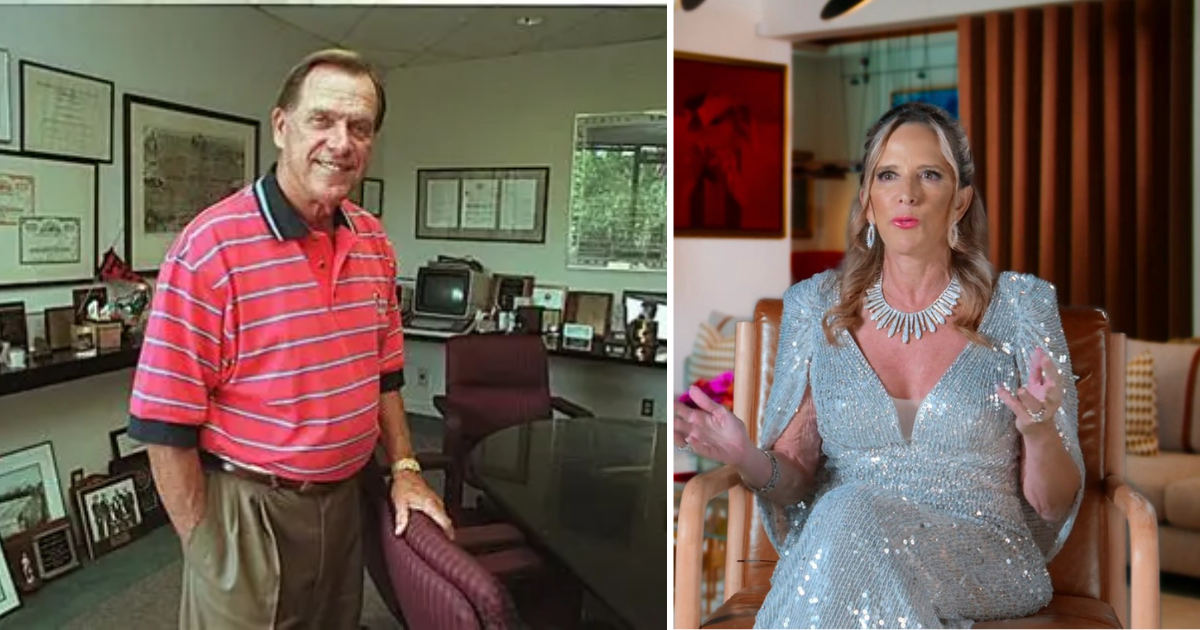
Lucinda Duncalfe, former president and CEO of Monetate, recalled seeking Musser out as a mentor in 1996, even though her company was too small for Safeguard to consider investing, explaining that Peter simply loved entrepreneurs. Stories like hers repeat throughout Philadelphia’s startup community, reinforcing how Pete Musser’s influence extended well beyond his balance sheet. Technical.ly
Philanthropy and Lasting Honors
Pete Musser’s generosity extended into causes far removed from venture capital. Musser was a philanthropist, and The Musser Foundation donated over $50 million to organizations including the Boy Scouts of America. His name now graces academic and civic institutions that continue to carry his values forward. Wikipedia
The Musser Award for Excellence in Leadership from the Fox School of Business and Management at Temple University, along with the Musser Scout Reservation in Montgomery County, Pennsylvania, are both named in his honor. These tributes reflect a legacy built as much on community investment as on financial returns. Wikipedia
Pete Musser: Career Snapshot
| Category | Details |
|---|---|
| Full Name | Warren Van Dyke “Pete” Musser |
| Born | December 15, 1926, near Harrisburg, Pennsylvania |
| Education | Bachelor of Science, Industrial Engineering, Lehigh University (1949) |
| Primary Company | Safeguard Scientifics (founded and led 1953–2001) |
| Notable Portfolio Companies | Comcast, QVC, Novell, Internet Capital Group |
| Second Venture | The Musser Group (founded 2003) |
| Philanthropy | The Musser Foundation, over $50 million donated |
| Died | November 25, 2019, at age 92 |
Conclusion
Pete Musser’s story is a study in contrasts: extraordinary success followed by public financial hardship, and yet a legacy that ultimately outshines the setback. Through Safeguard Scientifics, Pete Musser helped seed some of the most influential companies in American business history while simultaneously building a culture of mentorship that shaped generations of Philadelphia entrepreneurs. His willingness to speak honestly about failure, paired with his tireless enthusiasm for backing new ideas, is why his name still resonates in venture capital circles today. Anyone studying the roots of modern private equity or the Philadelphia tech scene will inevitably encounter the influence of Pete Musser.
Nancy Sepulvado: The Untold Story of George Jones’s Wife and Savior
FAQ
Who was Pete Musser?
Pete Musser was an American venture capitalist and entrepreneur best known as the founder of Safeguard Scientifics, a firm that helped launch companies like Comcast, QVC, and Novell.
What company did Pete Musser found?
Pete Musser founded Safeguard Scientifics, originally established under a different name in 1953, and led the firm for nearly five decades.
How did Pete Musser help start Comcast?
Pete Musser’s early investment in Jerrold Electronics helped fund a cable system that was later acquired and became the foundation of what grew into Comcast.
What happened to Pete Musser during the dot-com crash?
Pete Musser saw his paper fortune of roughly a billion dollars nearly wiped out when Safeguard Scientifics’ stock price collapsed during the 2000 dot-com bust, forcing him to sell shares at a steep loss.
What is Pete Musser’s legacy today?
Pete Musser is remembered as a pioneer of Philadelphia’s venture capital community, a mentor to countless entrepreneurs, and a philanthropist whose foundation continues supporting causes like the Boy Scouts of America.