












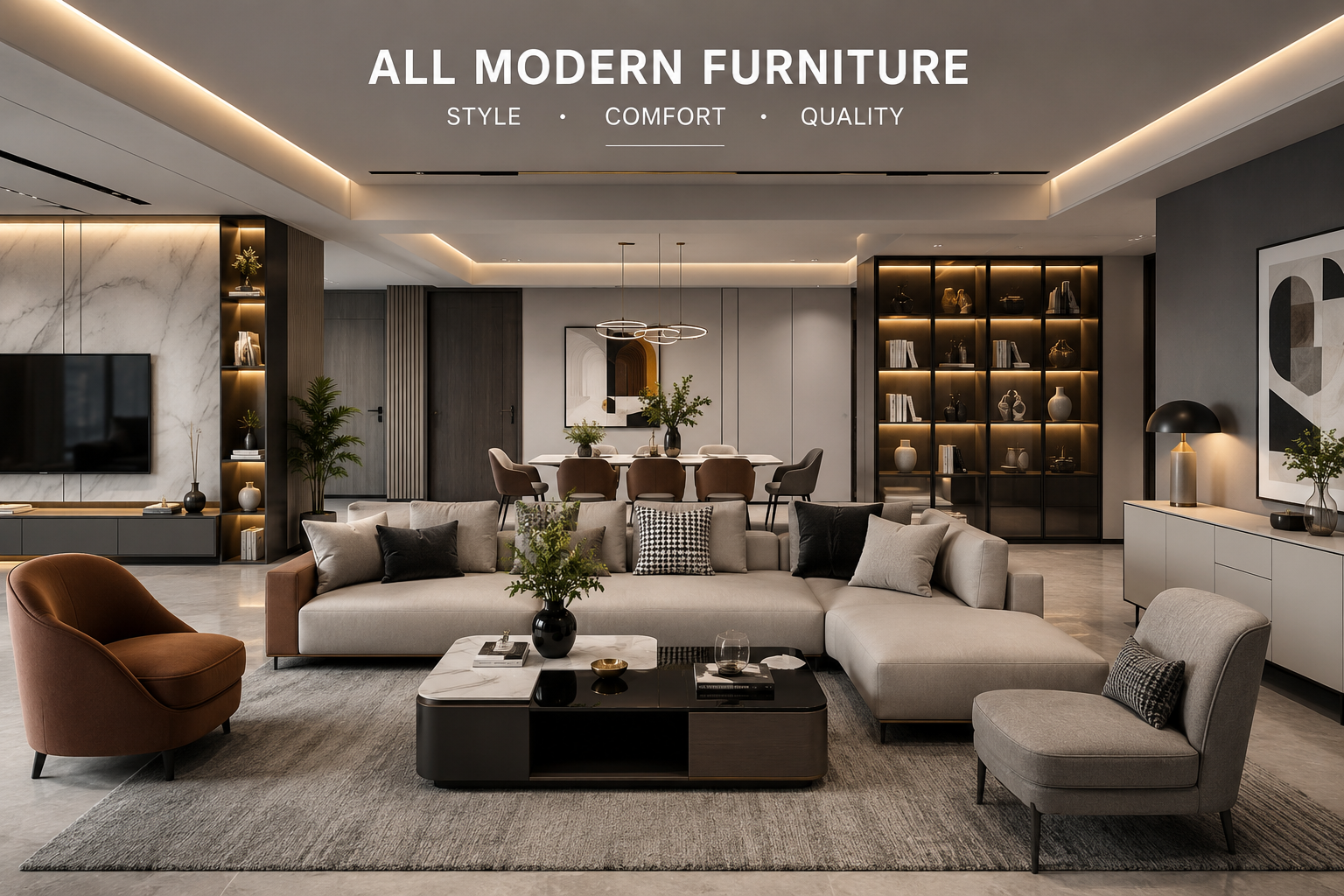
All Modern Furniture: The Ultimate Guide to Styles, Materials, and Trends in 2026
All Modern Furniture: A Complete Guide to Contemporary Living
Stepping into a home furnished with all modern furniture is an experience—clean lines, thoughtful functionality, and an understated elegance that never feels cold. Whether you’re redesigning your entire living space or simply looking to refresh a single room, understanding the full spectrum of modern furniture can transform how you live, work, and entertain. This guide unpacks everything from the movement’s design philosophy to the latest sustainable innovations, helping you make confident choices that stand the test of time.
What Defines All Modern Furniture Today?
All modern furniture is defined by a set of core principles that have evolved since the early 20th century but remain remarkably consistent. At its heart, modern design champions form following function—every piece serves a purpose, and ornamentation is minimized in favor of structural integrity and material honesty. You’ll recognize it by its clean, uncluttered silhouettes, often featuring tapered legs, geometric shapes, and a deliberate absence of excessive detailing.
Beyond aesthetics, all modern furniture emphasizes the relationship between the object and the space it occupies. Pieces are designed to feel airy and open, often raised on legs to create a sense of visual lightness. This isn’t about stark minimalism for its own sake—it’s about creating environments that feel intentional, calm, and deeply livable. Whether it’s a mid-century inspired sofa or a contemporary dining table, the furniture works harmoniously with the architecture rather than competing against it.
The Evolution from Bauhaus to the Present
The roots of all modern furniture trace back to the Bauhaus school in Germany, where designers like Marcel Breuer and Ludwig Mies van der Rohe pioneered the use of industrial materials like tubular steel and molded plywood. Their revolutionary idea was that furniture could be both beautiful and mass-producible, making good design accessible to everyone. This democratic spirit continues to influence all modern furniture, ensuring that quality and aesthetics are never reserved for the elite.
Today’s all modern furniture builds on this legacy while embracing new technologies and materials. Designers now experiment with recycled composites, bio-based plastics, and sustainably harvested woods, all while maintaining the clean visual language that defines the genre. The evolution continues with smart furniture that integrates charging ports and lighting, proving that modern design is as much about adapting to contemporary life as it is about honoring historical principles.
Minimalism and Functionality as Core Principles
Minimalism in all modern furniture isn’t about deprivation—it’s about curation. Each piece earns its place through utility and visual contribution to the whole. A well-designed modern sofa doesn’t just provide seating; its proportions, upholstery, and frame quality determine how the entire room feels. This principle extends to storage solutions, where built-in cabinetry and modular shelving systems keep clutter invisible and spaces serene.
Functionality in all modern furniture means thoughtful details that enhance daily life. Consider a coffee table with a lower shelf for magazines, a dining chair that supports good posture, or a bed frame with integrated nightstands. These aren’t afterthoughts—they’re integral to the design from the very first sketch. When you invest in all modern furniture, you’re investing in pieces that work as hard as they look good.
Key Materials Used in All Modern Furniture
The material palette of all modern furniture has expanded dramatically over the decades. Hardwoods like walnut, oak, and teak remain favorites for their warmth and durability, often finished with natural oils to highlight the grain. Metal—whether brushed steel, powder-coated aluminum, or polished brass—adds industrial edge and structural strength. Glass and marble introduce elegance and reflectivity, while engineered woods like plywood and MDF offer affordability without sacrificing stability.
Sustainability is reshaping material choices across all modern furniture. Recycled aluminum, FSC-certified timber, and rapidly renewable bamboo are increasingly common. Even upholstery has evolved—organic cotton, hemp, and recycled polyester fabrics are now standard in many collections. These materials not only reduce environmental impact but also age beautifully, developing patina and character over years of use.
Modern vs. Contemporary: Understanding the Difference
One of the most common misconceptions is that all modern furniture and contemporary furniture are interchangeable terms. In design lexicon, “modern” refers specifically to the design movement that flourished from the 1920s through the 1960s, characterized by particular forms and philosophies. “Contemporary,” by contrast, simply means “of the moment”—it changes every decade and encompasses whatever is currently trending.
So all modern furniture is rooted in a specific historical aesthetic, while contemporary furniture is fluid and ever-evolving. A piece can be both modern and contemporary if it draws from modern principles while feeling fresh today, but the distinction matters when you’re building a cohesive interior. Understanding this difference helps you communicate clearly with designers and retailers, ensuring you get exactly what you envision.
Iconic Pieces That Define All Modern Furniture
Certain designs have become synonymous with all modern furniture, achieving iconic status through their timeless appeal. The Eames Lounge Chair, with its molded plywood shells and leather upholstery, remains a symbol of mid-century sophistication. The Barcelona Chair, designed by Mies van der Rohe, epitomizes the marriage of structure and luxury. The Saarinen Tulip Table eliminates legs in favor of a sculptural pedestal base, creating uninterrupted floor space.
These pieces aren’t just furniture—they’re design history you can live with. While originals command premium prices, many manufacturers offer high-quality reproductions that capture the spirit of all modern furniture at accessible price points. The key is understanding what makes each piece special and how it fits into your overall aesthetic. A single iconic piece can anchor an entire room, providing a focal point around which other elements naturally gather.
How to Choose All Modern Furniture for Your Home
Selecting all modern furniture for your space requires more than just liking how something looks. Start by measuring your room carefully—modern design relies on proportion, and pieces that are too large or too small disrupt the visual balance. Consider the flow of movement through the space; all modern furniture should facilitate easy navigation, not obstruct it.
Next, think about your lifestyle. If you have children or pets, durability and stain resistance become paramount. Leather and performance fabrics are excellent choices for high-traffic areas. If you entertain frequently, consider extendable dining tables and modular seating that adapts to different group sizes. All modern furniture is designed to be versatile, so look for pieces that serve multiple functions without compromising on style.
Top Brands Offering All Modern Furniture
The market for all modern furniture is rich with both heritage brands and innovative newcomers. Herman Miller and Knoll remain the gold standards, with decades of collaboration with legendary designers. Their pieces are investments that often appreciate in value. For more accessible options, West Elm and CB2 offer contemporary interpretations of modern classics at mid-range prices. Blu Dot and Design Within Reach bridge the gap between design-forward aesthetics and everyday livability.
Direct-to-consumer brands have also democratized access to all modern furniture. Companies like Article, Burrow, and Castlery ship directly, cutting retail markups while maintaining quality. When evaluating brands, look beyond marketing—read reviews, request fabric swatches, and understand return policies. The best all modern furniture brands stand behind their products with substantial warranties and responsive customer service.
The Role of Color and Texture in Modern Interiors
All modern furniture is often associated with neutral palettes—whites, grays, blacks, and earth tones. These colors provide a calm backdrop that allows form and material to shine. However, contemporary interpretations embrace bold accents through upholstery, artwork, or accessories. A vibrant blue sofa or a mustard yellow armchair can inject personality without sacrificing the clean lines that define the style.
Texture adds depth to all modern furniture interiors. Pair a sleek leather sofa with a chunky wool throw. Place a polished marble coffee table atop a jute rug. Mix matte and glossy finishes for visual interest. These contrasts prevent spaces from feeling flat or overly sterile, creating environments that are sophisticated yet welcoming. Remember, all modern furniture thrives on balance—too much texture becomes chaotic, too little becomes boring.
Sustainability and All Modern Furniture
Sustainability is no longer a niche concern—it’s a central consideration in all modern furniture production. Consumers increasingly demand transparency about where materials come from and how products are manufactured. Responsible brands now publish sustainability reports, detailing their carbon footprints, waste reduction efforts, and labor practices. This shift reflects a broader cultural movement toward conscious consumption.
When shopping for all modern furniture, look for certifications like FSC for wood, GREENGUARD for low chemical emissions, and B Corp status for overall corporate responsibility. Many brands also offer take-back programs, recycling old furniture into new products. Choosing sustainable all modern furniture isn’t just good for the planet—it often means higher quality craftsmanship and longer-lasting pieces that don’t need frequent replacement.
Caring for Your All Modern Furniture Investment
Proper maintenance extends the life of all modern furniture significantly. For wood pieces, dust regularly with a soft cloth and use wood-specific cleaners occasionally. Avoid direct sunlight, which can fade finishes, and maintain consistent humidity to prevent cracking. Metal components benefit from occasional wiping with a damp cloth and mild soap, followed by thorough drying to prevent corrosion.
Upholstered all modern furniture requires regular vacuuming to remove dust and debris that can wear down fibers. Address spills immediately—blot, don’t rub, and use manufacturer-recommended cleaning products. Many modern fabrics are treated with stain-resistant finishes, but these aren’t invincible. Professional cleaning every few years keeps pieces looking fresh. With proper care, quality all modern furniture can last decades, becoming cherished heirlooms that tell your story.
Common Misconceptions About Modern Furniture
A persistent myth is that all modern furniture is uncomfortable—that beauty comes at the expense of coziness. This couldn’t be further from the truth. Modern designers have always prioritized ergonomics, studying how the human body interacts with seating, sleeping, and working surfaces. The clean lines are about visual clarity, not sacrificing comfort. In fact, many modern chairs and sofas are engineered to provide superior support compared to overstuffed traditional alternatives.
Another misconception is that all modern furniture is expensive. While iconic designer pieces carry premium prices, the broader market offers options at every budget. IKEA, for example, has built its empire on democratic design principles that mirror modern aesthetics. The key is knowing where to look and what to prioritize. Invest in high-use items like sofas and beds; save on accent pieces and accessories. All modern furniture can be accessible without compromising on style or quality.
“Good design is as little design as possible.” — Dieter Rams, legendary industrial designer whose philosophy continues to shape all modern furniture today.
Trends Shaping All Modern Furniture in 2026
The current landscape of all modern furniture is defined by several compelling trends. Biophilic design—incorporating natural elements like wood grain, stone textures, and organic shapes—brings the outdoors in, creating spaces that feel grounded and restorative. Curved silhouettes are softening the once-rigid geometry of modern furniture, with rounded sofas, oval tables, and arched mirrors adding warmth and approachability.
Multifunctionality is another dominant theme. As homes become more flexible—serving as offices, gyms, and classrooms—all modern furniture must adapt. Think desks that convert to dining tables, sofas with hidden storage, and modular systems that reconfigure as needs change. Technology integration is also advancing, with built-in wireless charging, USB ports, and even voice-activated adjustments becoming standard in higher-end collections. These trends ensure that all modern furniture remains relevant in an ever-changing world.
Room-by-Room Guide to All Modern Furniture
In the living room, all modern furniture centers around a statement sofa—often low-profile with track arms and tapered legs. Complement it with a streamlined coffee table, preferably glass or marble to maintain visual lightness. Floating shelves and minimalist media consoles keep the focus on the furniture rather than the electronics. Area rugs define seating zones while adding texture and warmth.
The dining room calls for a table that anchors the space—rectangular or round, with clean edges and a durable surface. Chairs should be comfortable enough for long meals yet elegant enough for formal occasions. A sideboard or buffet provides storage and display space, completing the ensemble. In the bedroom, all modern furniture includes a platform bed with integrated headboard, nightstands with clean geometry, and a dresser that balances storage with style. Each room benefits from consistent design language while serving distinct functional needs.
Budgeting for All Modern Furniture
Approaching the purchase of all modern furniture with a clear budget prevents overspending and disappointment. Start by prioritizing pieces that you’ll use daily—sofas, beds, and dining tables deserve the largest allocations. These are the anchors of your home, and quality here pays dividends in comfort and durability. Accent pieces like side tables, lamps, and decor can be sourced more affordably without sacrificing overall impact.
Consider a phased approach: furnish one room at a time, or buy core pieces first and add accessories later. Sales events—particularly around holidays and end-of-season clearances—offer significant savings on all modern furniture. Outlet stores and online marketplaces also provide access to discounted or floor-sample pieces. Remember that the cheapest option isn’t always the most economical; investing in quality all modern furniture often means lower lifetime costs through reduced replacement frequency.
All Modern Living: The Complete Guide to Contemporary Design, Furniture & Lifestyle
The Future of All Modern Furniture
Looking ahead, all modern furniture will continue to evolve in response to technological, environmental, and cultural shifts. 3D printing and CNC machining are enabling unprecedented customization, allowing consumers to tailor dimensions, materials, and finishes to their exact specifications. Circular design—where products are designed for disassembly and recycling—is becoming standard practice, reducing waste and conserving resources.
The lines between furniture and architecture will blur further, with built-in and modular systems becoming more prevalent. All modern furniture will increasingly incorporate smart home capabilities, from lighting that adjusts to circadian rhythms to surfaces that heat or cool as needed. Despite these innovations, the fundamental principles—clean lines, honest materials, and purposeful design—will endure. All modern furniture will remain a testament to the idea that our surroundings shape our lives, and that good design makes life better.
FAQ
What exactly is all modern furniture?
All modern furniture refers to pieces designed according to the principles of the modern design movement, which emphasizes clean lines, minimal ornamentation, and functional form. This style originated in the early 20th century and remains popular today for its timeless aesthetic and versatility across interior spaces.
How does all modern furniture differ from contemporary furniture?
Modern furniture is rooted in a specific historical design movement (roughly 1920s–1960s), while contemporary furniture simply means what is current now. All modern furniture follows established design principles, whereas contemporary styles change with each decade.
Is all modern furniture comfortable?
Absolutely. While the visual language is clean and streamlined, designers have always prioritized ergonomics. All modern furniture ais engineered for comfort, with many pieces offering superior support compared to more traditional, overstuffed alternatives.
What materials are commonly used in all modern furniture?
All modern furniture utilizes a wide range of materials including hardwoods (walnut, oak, teak), metals (steel, aluminum, brass), glass, marble, and engineered woods. Sustainable options like FSC-certified timber, recycled aluminum, and organic fabrics are increasingly prevalent.
How do I care for all modern furniture?
Care depends on the material. Wood pieces should be dusted regularly and cleaned with appropriate products, avoiding direct sunlight. Upholstery requires regular vacuuming and prompt spill treatment. Metal components benefit from occasional wiping with mild soap and water. With proper care, all modern furniture can last for decades.
Conclusion
All modern furniture represents more than a style—it’s a philosophy of living that values clarity, purpose, and beauty in equal measure. From its Bauhaus origins to today’s sustainable innovations, this design tradition has consistently adapted to meet the needs of each generation while staying true to its core principles. Whether you’re furnishing your first apartment or redesigning a family home, the principles and pieces outlined in this guide provide a roadmap to creating spaces that are functional, timeless, and deeply personal. Embrace the journey of curating your environment with all modern furniture, and enjoy the lasting rewards of thoughtful design.