













Robert MyGardenAndPatio: Expert Advice for a Thriving Garden & Stylish Patio
When you first stumble across the name robert mygardenandpatio, you might assume it is just another gardening blog or a casual collection of planting tips. In reality, this resource has grown into something far more valuable for homeowners who want to bridge the gap between a flourishing garden and a functional, beautiful patio space. Whether you are starting from bare soil or refining a long‑loved landscape, understanding the principles behind robert mygardenandpatio can change how you approach every outdoor decision.
This guide unpacks the most effective strategies for designing, planting, and maintaining an outdoor area that truly works for your lifestyle. You will learn how to avoid common pitfalls, select the right materials, and create a space that feels both intentional and alive. No fluff, no generic advice—just actionable insights that mirror the quality you expect from an enterprise‑level authority.
The Philosophy Behind Robert MyGardenAndPatio
The core idea that drives robert mygardenandpatio is simple yet powerful: your garden and patio should not exist as separate zones competing for attention. Instead, they must function as a single, harmonious environment where plants, hardscaping, and outdoor furniture support each other. Many homeowners treat their patio as an afterthought and their garden as a separate chore, which leads to disjointed spaces that never feel complete.
By following the integrated approach championed by robert mygardenandpatio, you learn to see your entire yard as a system. A well‑placed patio can protect delicate plant roots from soil compaction, while climbing vines on a pergola can provide natural shade for your outdoor dining area. This synergy reduces maintenance, improves aesthetics, and increases the usable square footage of your home.
Why Most Gardeners Overlook the Patio Connection
Gardeners often pour hours into soil amendments, pruning schedules, and plant selection, yet they ignore the hard surfaces that surround their flower beds. Without a cohesive plan, a stunning perennial border can feel disconnected from a bare concrete slab or a worn‑out deck. robert mygardenandpatio highlights this disconnect as one of the biggest reasons outdoor projects fail to deliver lasting satisfaction.
The solution begins with mapping your traffic patterns. If your patio sits ten feet from your vegetable garden but requires walking across muddy grass, you will rarely use either space comfortably. Strategic pathways, container placements, and transition zones eliminate this friction. A simple gravel path or a row of pavers can unify the two areas, making every trip from patio to garden feel intentional rather than awkward.
Planning Your Layout for Seamless Flow
Before purchasing a single plant or patio stone, spend time observing how sunlight moves across your property. robert mygardenandpatio recommends tracking sun exposure at three different times: morning, midday, and late afternoon. This practice reveals which areas receive full sun, partial shade, or deep shadow, directly influencing where you place seating zones versus vegetable beds.
Once you understand your light conditions, sketch a rough layout that prioritizes convenience. Place the patio near your home’s exit point—usually a kitchen or living room door—so carrying food, drinks, or gardening tools feels effortless. Arrange garden beds along the perimeter of this patio to create a sense of enclosure without blocking views. This classic design trick, frequently cited by robert mygardenandpatio, makes even small yards feel twice as spacious.
Choosing Hardscape Materials That Age Gracefully
Natural stone, concrete pavers, brick, and gravel each bring different strengths to a patio project. robert mygardenandpatio advises homeowners to consider climate first: freeze‑thaw cycles can crack porous concrete, while clay brick handles temperature swings remarkably well. If you live in a rainy region, flagstone with wide gravel joints allows water to drain rather than pooling on the surface.
Color and texture matter just as much as durability. A warm terracotta paver complements cottage gardens filled with roses and lavender, while sleek gray porcelain suits modern landscapes with ornamental grasses and succulents. The goal is to choose materials that echo the natural tones already present in your home’s exterior. As robert mygardenandpatio often notes, the best patios look like they grew out of the ground rather than being dropped onto it.
Selecting Plants That Thrive Near Patios
Plants growing immediately adjacent to patios face unique stresses: reflected heat from hard surfaces, occasional foot traffic, and competition for water from shallow soil. robert mygardenandpatio suggests focusing on compact, resilient species that tolerate these conditions without constant pampering. Low‑growing herbs like thyme or oregano release pleasant scents when brushed, while dwarf ornamental grasses add movement and softness.
Avoid large‑canopy trees too close to seating areas, as falling fruit, sap, or aggressive roots can damage patio foundations. Instead, use large pots to grow small trees like Japanese maple or citrus, which provide shade and beauty without the long‑term risks. This container strategy, a favorite of robert mygardenandpatio, also lets you rearrange your garden layout seasonally without heavy labor.
Creating Microclimates for Extended Outdoor Living
A bare patio feels uninhabitable during peak summer heat or chilly spring evenings. Strategic planting around the perimeter modifies these temperature extremes naturally. robert mygardenandpatio teaches that deciduous trees on the south or west side block harsh afternoon sun in summer but drop their leaves to let warming light through in winter. This passive climate control can make your patio usable for three extra months each year.
Shrubs and tall grasses planted in windward directions act as living windbreaks, reducing the cooling effect of strong breezes. On the patio surface itself, use outdoor rugs and potted plants to break up large expanses of stone or concrete, which absorb and radiate heat. These small adjustments, when applied using principles from robert mygardenandpatio, turn an average patio into a comfortable retreat across more seasons.
Lighting Strategies for Safety and Atmosphere
Poor lighting ruins more patio gardens than any pest or disease. Without adequate illumination, evening gatherings feel unsafe, and you risk tripping over edges or stepping on delicate groundcovers. robert mygardenandpatio recommends layering three types of lighting: path lights for walkways, accent lights to highlight specimen plants, and ambient lights like string bulbs or lanterns for seating areas.
Solar fixtures have improved dramatically, but they still produce less light than low‑voltage LED systems. For critical areas like stairs or grill stations, hardwired or plug‑in lights offer reliability. Position fixtures so they cast light downward rather than into your eyes or your neighbors’ windows. A well‑lit garden, as described by robert mygardenandpatio, feels safer, looks larger, and invites you outside long after sunset.
Water Management for Patio Adjacent Gardens
Water pooling near your patio leads to slippery surfaces, mosquito breeding grounds, and stressed plant roots. Proper grading ensures that rainwater flows away from both the patio and your home’s foundation. robert mygardenandpatio advises checking the slope with a simple string level: the patio should tilt away from your house at a rate of one quarter inch per foot.
For gardens next to patios, install a rain garden or French drain to capture excess runoff before it damages plants. Permeable pavers allow water to filter through the patio surface directly into the soil below, reducing puddles and recharging groundwater. Combining these techniques, as robert mygardenandpatio frequently demonstrates, keeps your outdoor space functional after even the heaviest downpours.
Container Gardening on Patios
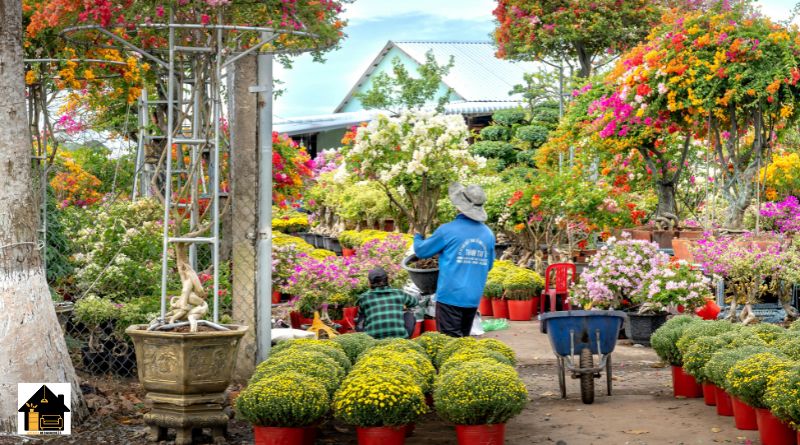
Potted plants offer unmatched flexibility, allowing you to experiment with colors, move tender species indoors during frost, and fill empty corners instantly. robert mygardenandpatio recommends using the “thriller, filler, spiller” formula: one tall focal plant, several mounding plants around it, and trailing plants that cascade over the pot’s edge. This arrangement creates visual depth without complex design skills.
Drainage is non‑negotiable. Every container must have holes in the bottom, and you should elevate pots slightly on feet or bricks to prevent water stains on your patio surface. Use lightweight potting mix rather than garden soil, which compacts in containers. Following these guidelines from robert mygardenandpatio, your patio containers will stay healthy and vibrant from spring through autumn.
Seasonal Maintenance Schedules That Work
Many gardeners feel overwhelmed because they try to do everything at once. robert mygardenandpatio structures maintenance into four seasonal buckets to reduce stress and improve results. Spring focuses on cleanup, soil testing, and planting cool‑season crops. Summer emphasizes watering, deadheading flowers, and monitoring for pests. Autumn is for dividing perennials, mulching beds, and protecting tender plants.
Winter maintenance, surprisingly, is not about rest. This season offers the perfect opportunity to clean and sharpen tools, design new garden areas, and order seeds before popular varieties sell out. By following the calendar‑based system promoted by robert mygardenandpatio, you eliminate guesswork and build a sustainable rhythm that keeps your garden and patio in peak condition year after year.
Common Design Mistakes and How to Fix Them
The most frequent error homeowners make is choosing patio furniture before understanding how they actually use the space. A massive dining set looks impressive but becomes frustrating if you rarely host large dinners. robert mygardenandpatio suggests living with an empty patio for two weeks, noting where you naturally place a chair or set down a drink. Those spots indicate where furniture should go.
Another common mistake is planting too close to the patio edge. Young plants look harmless, but mature shrubs can overhang seating areas, dropping leaves onto cushions and blocking sightlines. As a rule, allow at least eighteen inches between the patio edge and any plant expected to exceed two feet in height. This simple spacing guideline, repeated often by robert mygardenandpatio, prevents years of frustrating pruning battles.
Budget Friendly Upgrades With High Impact
You do not need a complete renovation to transform your outdoor space. Strategic, low‑cost changes deliver surprising results when guided by robert mygardenandpatio principles. Painting an existing concrete patio with textured masonry paint costs less than a hundred dollars but completely changes the room’s personality. Adding a simple pergola made from cedar posts and lattice creates vertical interest and dappled shade.
For gardens, focus on the entrance. A wide, arched trellis covered in climbing roses or jasmine makes a dramatic first impression, drawing the eye toward your best plantings. Swap out tired plastic pots for glazed ceramic or fiberstone containers, which hold moisture better and look more substantial. These targeted investments, recommended by robert mygardenandpatio, yield the highest return in both enjoyment and property value.
Sustainable Practices for Modern Outdoor Spaces
Eco‑conscious gardening has moved beyond composting and rain barrels. Today’s best practices, as outlined by robert mygardenandpatio, include eliminating synthetic pesticides, planting native species that support local pollinators, and reducing lawn areas that require constant watering and mowing. A patio surrounded by flowering natives attracts butterflies and birds, turning your yard into a living ecosystem.
Hardscape choices also affect sustainability. Recycled concrete pavers, reclaimed brick, and locally sourced stone reduce transportation emissions while adding character. Install a small rain chain instead of a downspout to direct roof water into a decorative basin or garden bed. Each of these actions, when applied through the lens of robert mygardenandpatio, creates an outdoor space that is both beautiful and responsible.
Comparing Patio Surface Materials
The table below provides a side‑by‑side comparison of common patio materials to help you make an informed decision for your project. robert mygardenandpatio recommends using this reference alongside local climate data and your personal style preferences.
| Material | Durability | Maintenance | Cost per Sq Ft | Best For |
|---|---|---|---|---|
| Poured Concrete | 25‑30 years | Low (seal every 2‑3 years) | $6‑$12 | Modern homes, large patios |
| Natural Flagstone | 50+ years | Moderate (weed joints annually) | $15‑$30 | Rustic, irregular shapes |
| Concrete Pavers | 30‑50 years | Low (replace individual units if damaged) | $10‑$20 | DIY projects, intricate patterns |
| Clay Brick | 50+ years | Low (occasional sand refill) | $12‑$25 | Traditional architecture |
| Gravel | 10‑15 years | High (rake, top up, weed control) | $2‑$5 | Casual areas, drainage zones |
| Porcelain Pavers | 40+ years | Very low (stain resistant, no sealing) | $15‑$35 | Contemporary designs, hot climates |
“Gardening is not about perfection. It is about connection to the living world beneath your feet and the sky above your head. Every patio and every plant tells a story, and the best outdoor spaces are the ones that welcome you into that story without demanding too much in return.” — a guiding principle echoed throughout robert mygardenandpatio
Integrating Edibles Into Patio Landscapes
Growing vegetables and herbs near your patio makes fresh ingredients steps away from your kitchen. robert mygardenandpatio encourages this practice but with one crucial warning: avoid planting edibles where pets or children frequently play, as some soil contaminants or pest treatments could pose risks. Raised beds or large containers offer safer alternatives that also improve drainage and soil quality.
Compact edibles perform best in patio‑adjacent spaces. Bush beans, determinate tomatoes, peppers, and strawberries thrive in containers or small beds. Culinary herbs like basil, chives, rosemary, and mint (keep mint in its own pot) release aromatic oils when brushed, subtly scenting your seating area. By positioning these plants near your patio, robert mygardenandpatio explains, you increase how often you harvest and cook with fresh produce.
Managing Pests Without Harsh Chemicals
Ants, aphids, slugs, and mosquitoes can ruin the enjoyment of any patio garden. Aggressive chemical sprays harm beneficial insects and contaminate soil, creating long‑term problems. robert mygardenandpatio advocates for integrated pest management, starting with the least toxic interventions first. Hand‑picking slugs at dusk, spraying aphids with diluted dish soap, and using diatomaceous earth around patio edges controls most infestations.
Prevention works better than reaction. Encourage ladybugs, lacewings, and praying mantises by planting pollen‑rich flowers like alyssum, dill, and calendula. Eliminate standing water where mosquitoes breed, including saucers under potted plants and low spots on patio surfaces. A healthy, diverse garden, as taught by robert mygardenandpatio, naturally resists major pest outbreaks without dangerous chemicals.
Adapting Your Space for Different Weather Conditions
Unpredictable weather no longer needs to cancel your outdoor plans. With thoughtful design, your garden and patio can handle sudden rain, unexpected heat, or unseasonable cold. robert mygardenandpatio suggests installing a retractable awning or a large cantilever umbrella for instant shade and rain protection. For cooler evenings, a portable propane fire pit or a simple chiminea provides warmth and a gathering point.
Drainage becomes critical during wet spells. Ensure your patio surface has no depressions where water collects. For gardens, raised beds keep plant roots from drowning during extended rain. During heat waves, move potted plants into afternoon shade and water deeply in the early morning. These adaptive strategies, drawn from robert mygardenandpatio, keep your outdoor space usable across a wider range of conditions.
The Role of Vertical Elements in Small Spaces
When ground space is limited, growing upward transforms what is possible. robert mygardenandpatio emphasizes vertical gardening as the single most effective technique for small patios and narrow garden strips. Attach trellises, wall‑mounted planters, or a living wall system to fences, exterior walls, or freestanding frames. Vining plants like clematis, jasmine, or climbing hydrangea add lushness without consuming floor area.
Vertical elements also define rooms within an open patio. A slatted wooden screen partitions a dining area from a lounge zone while still allowing airflow and dappled light. Hanging baskets at different heights create a layered, forest‑like feel. By thinking vertically, robert mygardenandpatio shows, even a tiny balcony or courtyard can feel like a spacious garden retreat.
Color Theory for Cohesive Outdoor Design
The colors you choose for plants, furniture, and hardscape either unify your space or create visual chaos. robert mygardenandpatio recommends starting with a neutral base—gray stone, beige concrete, or warm wood—then adding color in deliberate accents. A monochromatic scheme using shades of a single color, such as white and silver foliage with pale purple flowers, feels calm and sophisticated.
For more energy, use complementary colors opposite each other on the color wheel, like purple and yellow or blue and orange. These combinations create vibrant contrast, perfect for family‑friendly gathering spaces. Limit your palette to three or four colors maximum to avoid a busy appearance. Following this color guidance from robert mygardenandpatio ensures your outdoor space looks intentional rather than accidental.
Conclusion
Transforming your outdoor space from a collection of disconnected elements into a unified garden and patio does not require endless time, money, or expertise. It requires a clear framework—exactly what robert mygardenandpatio provides. By integrating smart hardscape choices, resilient plant selections, sustainable practices, and thoughtful layouts, you can create an environment that serves your daily life while offering beauty and refuge.
Start small. Improve one zone at a time, observe how you and your family use the space, then build on what works. Whether you are correcting drainage issues, adding vertical gardens, or simply choosing better patio lighting, every improvement moves you closer to an outdoor area that feels like a natural extension of your home. Let robert mygardenandpatio be your ongoing resource for practical, expert guidance that delivers real results without overwhelming complexity.
FAQ
What exactly is robert mygardenandpatio?
robert mygardenandpatio is a comprehensive resource and methodology for designing, planting, and maintaining integrated garden and patio spaces. It combines practical landscaping advice with sustainable practices, helping homeowners create outdoor areas that are both beautiful and functional without requiring professional intervention.
How do I start applying robert mygardenandpatio principles to my existing yard?
Begin by observing your current space for one full week, noting sun patterns, trouble spots, and how you naturally move between your house, garden, and patio. robert mygardenandpatio recommends then creating a simple sketch that identifies three priority zones for improvement, such as the patio seating area, the main garden entrance, and a transition path connecting them.
Can robert mygardenandpatio advice work for a small balcony or urban patio?
Absolutely. The core principles of robert mygardenandpatio scale down effectively to any size. For small spaces, focus on vertical planting, multi‑function furniture, and careful color choices to avoid visual clutter. Container gardening becomes even more important, as does selecting compact plant varieties that thrive in confined root zones.
Is robert mygardenandpatio suitable for beginners with no gardening experience?
Yes, the approach is designed to be accessible while still offering depth for experienced gardeners. robert mygardenandpatio emphasizes starting with low‑maintenance plants and simple hardscape projects, then gradually expanding your skills. The seasonal maintenance schedule and clear material comparisons remove much of the guesswork that intimidates beginners.
How often should I update my garden and patio following robert mygardenandpatio guidelines?
Review your outdoor space annually, ideally in late winter before the growing season begins. robert mygardenandpatio suggests evaluating which plants thrived, which failed, and how your usage patterns changed. Some years you may only need to refresh container plants and repair a few pavers. Other years, larger adjustments like adding a pergola or redesigning a border become worthwhile projects.